.svg)




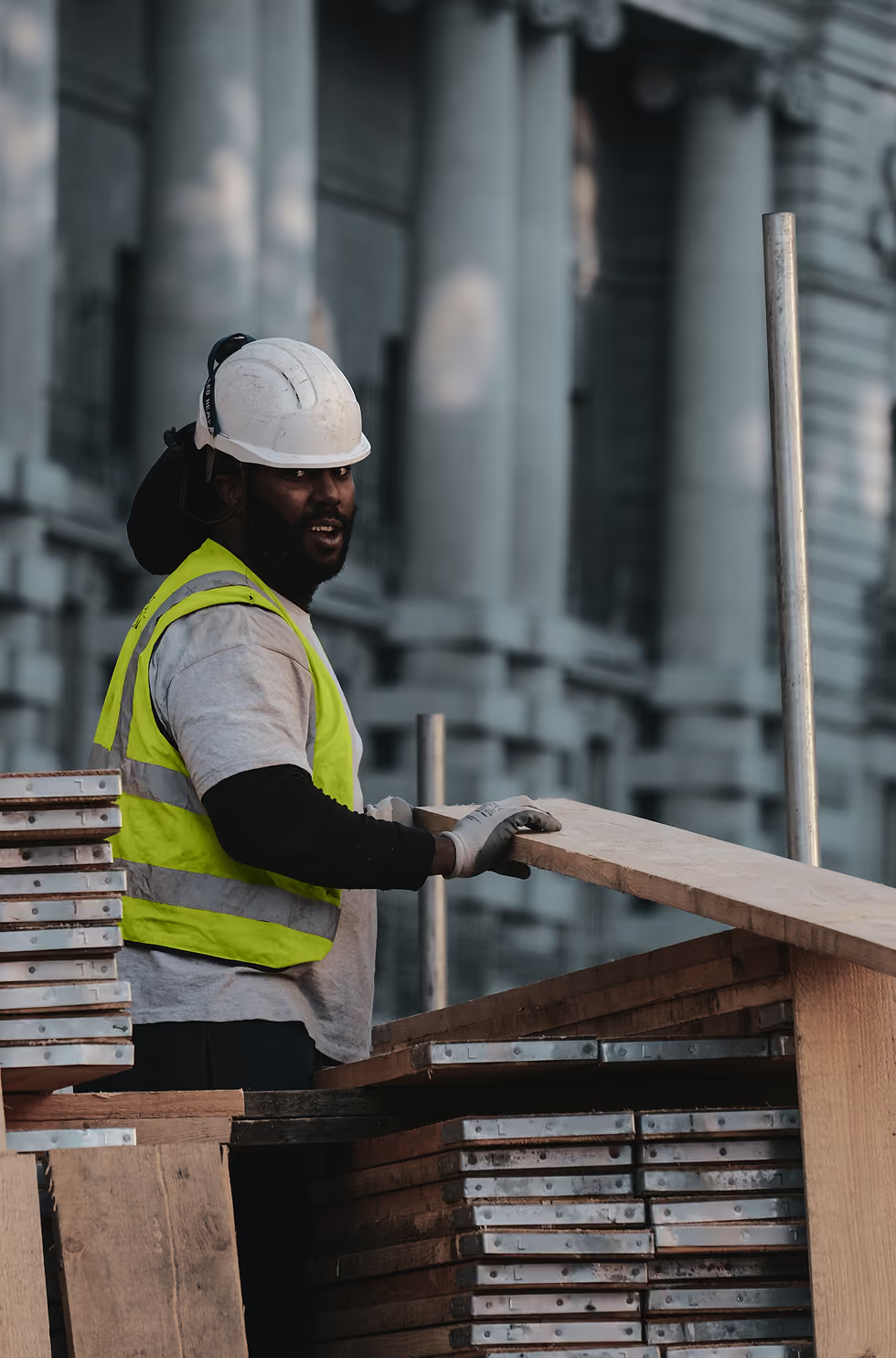
Step onto any construction site and you'll feel it before you see it: the noise, the pace, the sheer physicality of it all. Scaffolders climbing, concrete pouring, plant machinery rumbling past, dozens of people hands-on working shoulder to shoulder. That's a demanding environment on a good day. Turn up the temperature, and it becomes something else entirely.
Because heat doesn't just make a shift uncomfortable. Combine hours of physical labour, full PPE, and direct sun, the body starts struggling to keep up. And the tricky part is that conditions on site can shift just as fast as the temperature does, which means safety planning must keep up in real time, not just at the start of the day.
When "hot" becomes "hazardous".
Britain had its own brush with this. Heatwaves pushing towards 38°C have been enough to trigger amber and red warnings and force sites to change how they operate. But head out to the MENA region, where a number of our clients are based, and that's not an extreme exception, it's just a standard summer. Site temperatures often tip past 40°C, and on the worst days go well beyond that.
At that point, you're looking at real risk to people and equipment alike:
- Dehydration and heat stress. Heavy labour under direct sun burns through fluids and electrolytes fast, and the slide from heat exhaustion into heat stroke can happen quicker than people expect.
- Equipment safety in hot conditions. Tools and machinery overheat or start behaving unpredictably, and surfaces hot enough to burn add another layer of risk for anyone operating or repairing them.
The obvious problem is that you can't just down tools because it's hot outside. Unlike a storm or high winds, extreme heat doesn't force a shutdown, so the work has to carry on somehow. But what makes the difference between a site that gets through summer safely and one that doesn't usually comes down to planning: building the day around the heat rather than fighting it, keeping communication sharp, and staying alert as conditions change hour to hour.
In these situations, using innDex’s tools to plan your days can play to your advantage.
Briefing: Plan the day before the heat does.
Nobody should walk onto a hot site without knowing exactly what they're stepping into. That's the whole point of innDex's Briefing tool, letting managers set out site conditions clearly and, crucially, requiring workers to actually acknowledge they've understood before they arrive on site.
In summer, that briefing does double duty as a scheduling tool. It's the moment to lay out a heat-adjusted plan for the day: heavy labour and outdoor tasks pushed to the cooler morning hours, indoor or shaded work saved for when the sun's at its hottest, hydration and rest breaks built in rather than left to chance. Get that right, and everyone starts the day already knowing what they're doing and when, which solves half the heat problem before a single tool's picked up.
Conditions change fast, so check again: POWRA.
A morning briefing is a great start, but site conditions in summer don't sit still, and a Point of Work Risk Assessment exists precisely for that reason. A task that looked perfectly safe at 7am, in the cool of early morning, can be a very different proposition by 1pm.
Picture a crew tying rebar on an open slab. At the morning briefing, it's assessed as standard risk, nothing unusual. By early afternoon though, that same slab is radiating heat back up at everyone standing on it, the crew's been on their feet for hours, and a supervisor doing a walk-round spots a couple of workers starting to flag. A POWRA done right there, before the next phase of work kicks off, is what catches that shift in time: rotate people out, get some shade rigged up, bring in more water, or just hold off on that section until it cools down. That's the kind of real-time check a morning briefing alone couldn’t have caught.
When it's time to clear the site: Roll Call.
Sometimes the heat gets to a point where the only sensible move is getting everyone off site and all of them accounted for. That's what Roll Call is built for: a real-time headcount that confirms every single worker has left the area, with nobody missed and nobody left behind.
It's especially useful in the UAE, where sites already stop for the mandatory midday break, typically 12pm to 3pm through the summer months. Running Roll Call as that window opens confirms the site's genuinely cleared, and running it again as people return gives a clean, documented record that the break happened properly and everyone's safe and present before work picks back up.
Checklists that adapt to summer: Asset Management
It's not just people who feel the heat, the site itself does too. Materials, plant, and stored assets all come with their own summer risks, from flammable materials becoming more volatile in high heat to equipment needing extra checks just to keep running safely.
Teams can build checklists around exactly these seasonal risks within the Asset Management tool. List out every heat-related hazard relevant to the site, build in seasonal checks like fire risk inspections, and make sure everyone knows what to look for and what to do if something's off. It turns "watch out for the heat" from a vague reminder into something people can actually act on.
Planning beats reacting.
Extreme heat is unavoidable and stopping work simply isn't an effective solution for most sites. But working smarter around it could be. Shaping the day differently, staying alert as conditions shift, and making sure everyone on site is briefed, accounted for, and looked after.
Together we build.